
About Us
Discover our history, faith, and community.
History of Conversion of St. Paul Parish
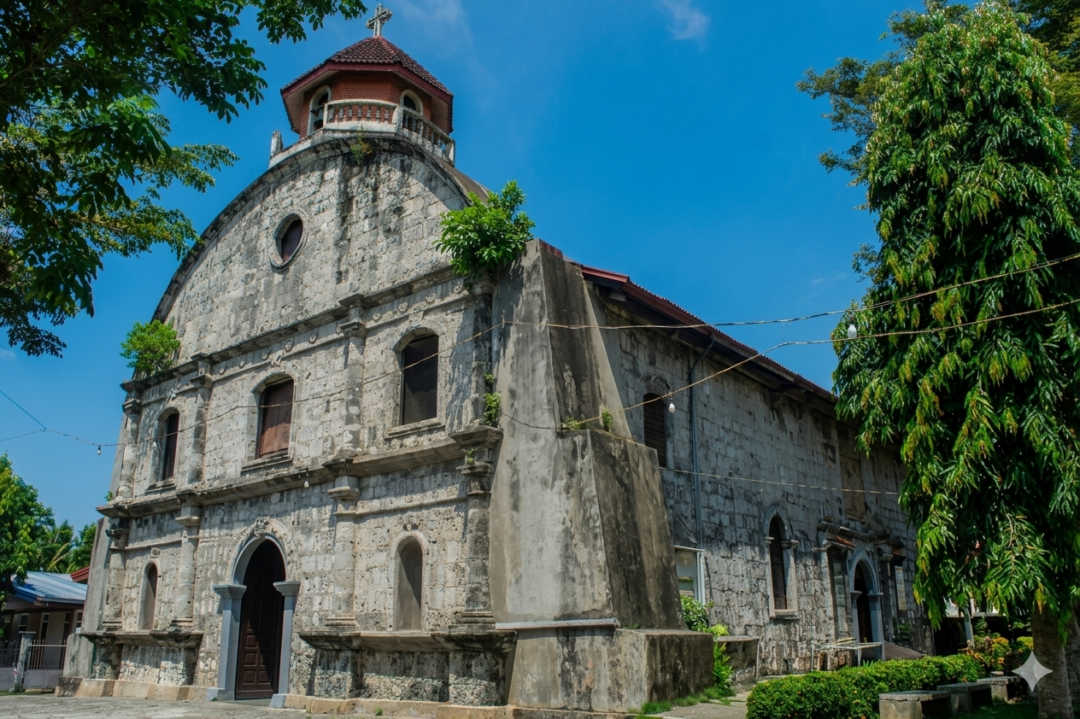
The earliest beginnings of the church can be traced back to 1760, when Bernabe Rafael established a settlement in Cawayanin. A small community church already existed in the area, and the image of Saint Paul the Apostle, who later became the town’s patron saint, was enshrined and venerated by the settlers. However, this early settlement was destroyed during a Moro raid, and the image of St. Paul was lost but later recovered in a nearby barrio called Adia. The devotion to Saint Paul continued as the settlement was transferred to Maaliw Hill.
In 1781, the image of Saint Paul was reportedly found beneath a large Pitogo tree on the hill. The people believed that this was a sign that the place was chosen to become the permanent center of the town and its religious life.
In 1817, the first stone church was built on Maaliw Hill under the leadership of Geronimo de los Angeles. The church was constructed on the site where the image of Saint Paul had been found.
Life of St. Paul
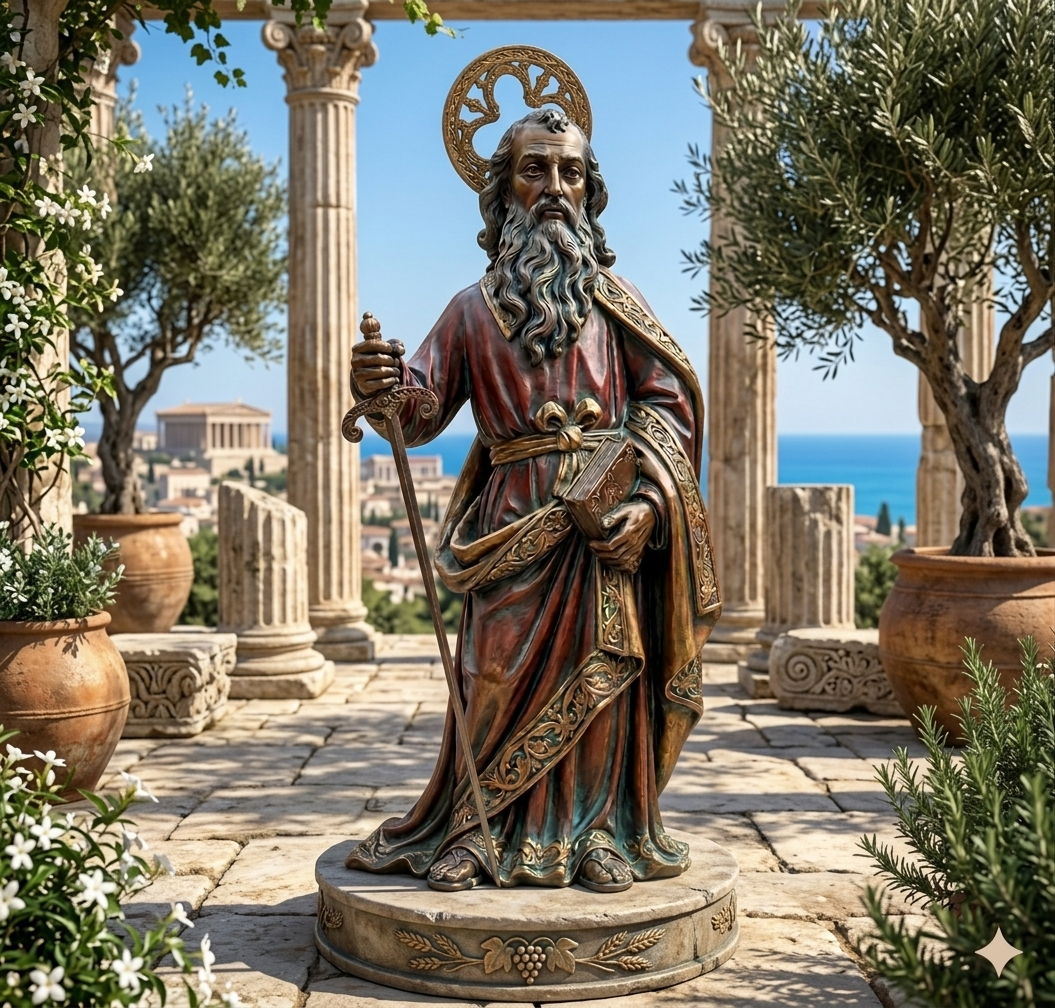
Saint Paul, also known as Paul the Apostle, was one of the most important figures in early Christianity. He was originally named Saul of Tarsus and was born in the first century AD in Tarsus, a city in present-day Turkey. Before becoming a follower of Jesus Christ, Saul strongly opposed Christianity and persecuted Christians. However, while traveling to Damascus, he experienced a dramatic conversion after encountering a vision of Jesus. This event changed his life completely, and he became a devoted preacher and missionary of the Christian faith.
Saint Paul traveled across many parts of the Roman Empire to spread the teachings of Jesus and establish Christian communities. He also wrote several letters, known as epistles, to guide and encourage believers, many of which are included in the New Testament of the Bible. Through his missionary journeys and writings, Saint Paul played a major role in spreading Christianity beyond the Jewish community and helping it grow into a worldwide religion.
Feast of St. Paul
Celebrated on January 25, the Feast of the Conversion of Saint Paul the Apostle commemorates the dramatic conversion of Saul of Tarsus, who later became Saint Paul, one of Christianity’s greatest missionaries. According to the Acts of the Apostles, Saul was traveling to Damascus to persecute Christians when he encountered the risen Jesus Christ. This life-changing experience led him to embrace the Christian faith and dedicate his life to preaching the Gospel. The feast, observed every January 25, highlights the themes of conversion, forgiveness, renewal, and God’s power to transform lives.
Activities Related to the Feast
Holy Mass and Prayer Services – Special liturgical celebrations are held to honor Saint Paul’s conversion and reflect on the call to faith.
Novena and Devotional Prayers – Communities may organize prayer gatherings seeking guidance and renewal through Saint Paul’s example.
Solemnity of Saints Peter and Paul, Apostles
The Solemnity of Saints Peter and Paul, celebrated every June 29, honors two of the most important apostles of Jesus Christ. Saint Peter, the leader of the apostles and the first Pope, is remembered for his faith, leadership, and dedication to the early Church. Saint Paul is honored for his conversion, missionary journeys, and teachings that helped spread Christianity throughout the Roman world. Together, they are regarded as pillars of the Church whose lives exemplify faith, service, and commitment to Christ.
Activities Related to the Feast
Solemn Holy Mass – The primary celebration where the faithful gather to honor Saints Peter and Paul through prayer and worship.
Procession – A procession carrying the images or statues of Saints Peter and Paul around the parish or community.
Novena Prayers – A nine-day devotional prayer in preparation for the feast day.